
Gangotri Temple: Complete Guide to the Second Stop of Char Dham Yatr
A complete guide to Gangotri Temple: history, how to reach, opening and closing dates, the Gaumukh trek, and practical tips for pilgrims.
 ssbtarvels
Gangotri is where the Ganga is worshipped as a goddess, high in the Himalayas. If you're planning this stop of the Char Dham Yatra, this guide covers the history, how to reach, timings, the Gaumukh trek, and practical tips for a safe, smooth visit.
In this guide:
- Why Gangotri matters and its place in the Char Dham route
- The legend and history of the temple
- How to reach, from Delhi, Dehradun, Haridwar and Rishikesh
- When it opens, when it closes, and the best time to go
- Gaumukh: the real source of the Ganga, and what it takes to reach it
- Practical tips and FAQs
Where Gangotri Fits in the Char Dham Yatra
The Char Dham Yatra of Uttarakhand has four shrines: Yamunotri, Gangotri, Kedarnath and Badrinath. Pilgrims traditionally visit them in that order, so Gangotri is the second stop, usually reached a day or two after Yamunotri.
Gangotri sits in the Uttarkashi district of Uttarakhand at roughly 3,100 metres (about 10,200 feet) above sea level. It is the temple town on the banks of the Bhagirathi, the river that becomes the Ganga after it meets the Alaknanda at Devprayag.
The Legend Behind Gangotri
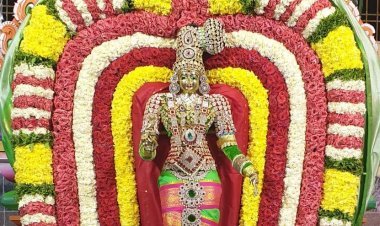
According to Hindu belief, the Ganga flowed in the heavens until King Bhagirath performed severe penance to bring her down to earth, so that the souls of his ancestors could be freed. Her force was too great for the earth to bear, so Lord Shiva caught her in his locks and released her gently.
Gangotri is the place believed to mark that descent. A sacred stone near the temple, called Bhagirath Shila, is said to be where King Bhagirath meditated.
The Temple and Its History
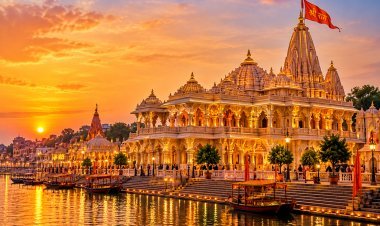
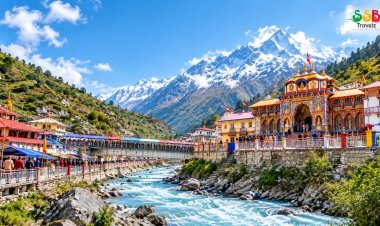
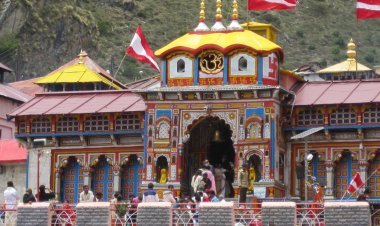
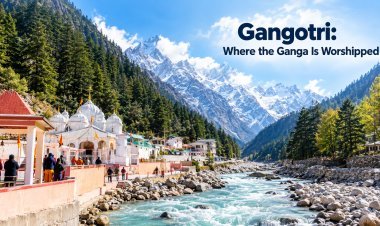
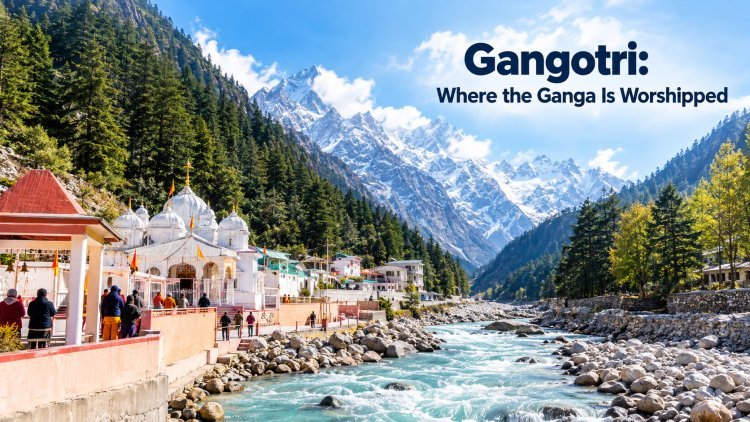
The Gangotri Temple is a simple white temple, dedicated to Goddess Ganga. It was built by the Gorkha commander Amar Singh Thapa and later renovated by the Maharaja of Jaipur. Its modest design is part of its charm: the setting, with snow peaks, deodar forests and the sound of the river, does most of the talking.
Near the temple you will find Surya Kund, where the river falls over rocks, and the Bhagirath Shila. Many pilgrims also take a dip or sprinkle water from the Bhagirathi on themselves at the ghats, but the water here is ice cold, so go slowly.
How to Reach Gangotri
Unlike Yamunotri or Kedarnath, Gangotri is reachable by road almost to the temple, so no long trek is needed to visit the shrine itself.
| From | Approx. distance by road |
|---|---|
| Dehradun | About 245 km (9 to 10 hours) |
| Rishikesh | About 270 km |
| Haridwar | About 290 km |
- Route: Dehradun or Rishikesh to Uttarkashi, then Harsil, then Gangotri.
- By Air: The nearest airport is Jolly Grant, Dehradun.
- By Train: The nearest major railway stations are Rishikesh and Dehradun.
- Overnight stop: Most pilgrims stay at Uttarkashi the night before, which also helps the body adjust to altitude. Harsil is another beautiful stop on the way.
The mountain roads are narrow and prone to landslides in monsoon, so always check road conditions before you leave.
Opening and Closing Dates
Gangotri follows the same seasonal calendar as the other Dhams.
- Opens: On Akshaya Tritiya, in April or early May. In 2026 it opened on 19 April.
- Closes: Around Diwali or Bhai Dooj, in October or November.
During winter, snow covers the area. The idol of Goddess Ganga is moved to Mukhba village near Harsil, where worship continues until the temple reopens in spring.
If you are reading this in October, the 2026 season is close to ending. Treat this as your planning guide for next year, and confirm the exact opening date once it is announced, since it depends on the lunar calendar.
Best Time to Visit
- May to June: Pleasant days, cold nights, and the busiest period.
- September to October: Clear skies, fewer crowds, and the best mountain views.
- July and August: Monsoon. Landslides can block roads, so it is best avoided.
Early morning is the best time to visit the temple, when it is quieter. Always carry warm clothes, because nights are cold even in summer.
Gaumukh: The Real Source of the Ganga
The Gangotri Temple is where the river is worshipped, but its physical source is the Gaumukh, the snout of the Gangotri Glacier. It lies about 18 km upstream from Gangotri at an altitude of around 4,000 metres (13,100 feet).
- It can only be reached on foot. The trail goes from Gangotri to Chirbasa, then Bhojbasa, then Gaumukh.
- Many trekkers spend a night at Bhojbasa and go to Gaumukh the next morning.
- Entering this area requires a permit from the forest department, and the number of people allowed each day is limited. Always check the current process before planning.
- This trek is physically demanding and is not suitable for everyone, especially without acclimatisation.
Most Char Dham pilgrims only visit the temple, and that is a complete and meaningful pilgrimage on its own.
Practical Tips Before You Go
- Register for the yatra. Uttarakhand requires registration for Char Dham pilgrims. Check the official tourism portal for the latest rules before you travel.
- Acclimatise. Spend a night at Uttarkashi or Harsil before going higher, and drink plenty of water.
- Pack for cold. Carry thermals, a jacket, gloves, a cap and good walking shoes.
- Carry basic medicines. Headache, nausea and breathlessness can occur at altitude. If symptoms get worse, descend and seek medical help.
- Consult a doctor first if you have heart, blood pressure or breathing problems, or if you are travelling with elderly family members.
- Remove footwear before entering the temple, and respect the temple's photography rules.
- Keep the place clean. Avoid plastic and do not litter near the river.
Frequently Asked Questions
Is Gangotri reachable by car? Yes. A motorable road goes to Gangotri, and the temple is a short walk from the parking area.
Do I need to trek to see the Gangotri Temple? No. A trek is only needed if you want to go on to Gaumukh.
How many days are needed for Gangotri? Usually one night at Gangotri or Harsil as part of a longer yatra. Add 2 to 3 more days if you plan the Gaumukh trek.
When does Gangotri close for winter? Around Diwali or Bhai Dooj each year, and it reopens on Akshaya Tritiya.
Which is better to visit first, Yamunotri or Gangotri? Traditionally Yamunotri comes first and Gangotri second, following the clockwise order of the Char Dham Yatra.
Final Thoughts
Gangotri is less about difficult climbs and more about standing at the place where a river that millions depend on is worshipped. Prepare for the cold and the altitude, check the road and registration rules before you travel, and give yourself a calm, unhurried day here. The quiet beside the Bhagirathi is what most pilgrims remember most.