
Badrinath Dham 2026: 10 Questions Every Pilgrim Asks Before Going, Answered
Is Badrinath a trek? When does it close? Where to stay? Clear answers on reaching Badrinath, darshan timings, Tapt Kund, Mana Village and what to prepare.
 ssbtarvels
Most pilgrims reach Badrinath with the same few questions: Is it a trek? When does it close? Where do I stay? What else is nearby? This post answers each one plainly, so your last stop of Char Dham feels easy, not stressful.
Badrinath at a Glance
| Detail | Fact |
|---|---|
| Deity | Lord Vishnu as Badrinarayan |
| Location | Chamoli district, Uttarakhand, on the Alaknanda river |
| Altitude | About 3,133 metres (around 10,280 feet) |
| Char Dham position | Fourth and final stop |
| Opened in 2026 | 23 April, at 6:15 AM |
| Closing | Announced on Vijayadashami; usually in November after Diwali |
| Reached by | Road, right up to the temple area |
1. Is Badrinath really the last stop of the Char Dham Yatra?
Yes. The traditional order is Yamunotri, Gangotri, Kedarnath and then Badrinath. Many pilgrims travel from Kedarnath to Badrinath by road through Rudraprayag, Karnaprayag and Joshimath, which makes this the natural final stop.
2. Why is this temple so important?
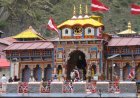
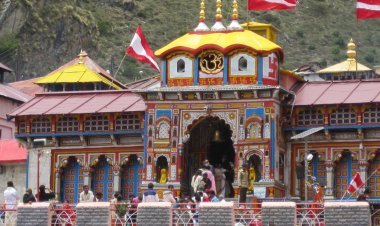
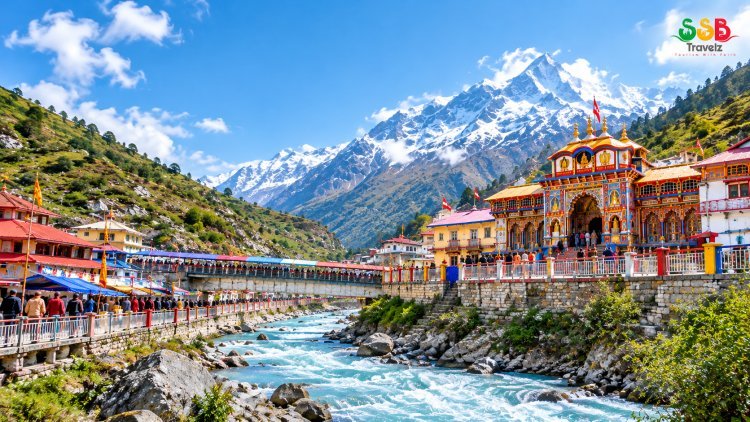
Badrinath is one of the most revered Vishnu temples in India. The black Saligram idol of Lord Badrinarayan is considered self-manifested. According to tradition, Adi Shankaracharya found the idol in the waters of the Alaknanda river and installed it in a cave near Tapt Kund, and the shrine grew from there.
The temple sits between the Nar and Narayan mountain ranges, with Neelkanth peak rising behind it. For many pilgrims, the view itself is part of the darshan.
3. Do I need to trek to reach the temple?
No. Unlike Yamunotri and Kedarnath, Badrinath is reachable by road. Vehicles can go to the temple area, and the last bit is a short walk. This makes it one of the easier Dhams for families and senior citizens, though the altitude still needs respect.
4. How do I reach Badrinath?
- By Road: Rishikesh is about 300 km away and Haridwar about 320 km. The route goes through Devprayag, Rudraprayag, Karnaprayag, Nandaprayag and Joshimath.
- By Air: The nearest airport is Jolly Grant, Dehradun. There is no direct flight to Badrinath.
- By Train: The nearest major railway stations are Rishikesh and Haridwar.
- Helicopter: Charter services are available from Dehradun, but they depend on weather and book up early. Use official channels only.
The mountain road is long, so most travellers split it into two days.
5. When does Badrinath open and close?
The temple opens on Akshaya Tritiya season in April, with the date set at a ceremony on Basant Panchami. In 2026 it opened on 23 April.
The closing date is announced on Vijayadashami and usually falls in November around Bhai Dooj. Treat any date you read online as tentative until it is officially announced.
In winter, Lord Badrinarayan's idol is moved to the Narsingh temple in Joshimath, where he is worshipped until the doors reopen.
6. What is the best time to go?
- May to June: Pleasant days and the busiest crowds.
- September to October: Fewer people, clear skies and colder nights.
- July and August: Monsoon. Landslides can block the road, so plan extra buffer days or avoid it.
Even in summer, the altitude and cold affect people who arrive unprepared.
7. How is a typical darshan day?
Most pilgrims start early. A common routine looks like this:
- Take a holy dip at Tapt Kund, the natural hot spring just below the temple.
- Join the darshan queue early in the morning, since lines grow longer later in the day.
- Attend darshan, and the aarti if your timing allows.
- Spend the afternoon at Mana Village or resting.
Entry to the temple is free. Temple timings include breaks during the day, so check the schedule on the day of your visit.
8. What else is worth seeing nearby?
- Tapt Kund: A naturally hot spring on the Alaknanda river. Pilgrims traditionally bathe here before darshan.
- Narad Kund: A smaller warm pool just below it.
- Mana Village: About 3 to 4 km from the temple. It is often described as the last village before the Tibet border, and is now officially called India's first village.
- Vyas Gufa and Ganesh Gufa: Caves in Mana associated with the composing of the Mahabharata.
- Bheem Pul: A natural stone bridge over the Saraswati river, linked to the Pandavas.
- Vasudhara Falls: A high waterfall reached by an additional trek beyond Mana, only for those in good health.
9. Where should I stay, and should I halt on the way?
Stay options include hotels and dharamshalas at Badrinath, and more choices at Joshimath, about 40 to 45 km before the temple. Many pilgrims halt a night at Joshimath so the body adjusts to altitude and the drive is split.
Accommodation in Badrinath fills up fast in May and June, so book early. Always confirm bookings directly with the property or through official channels.
10. What should I prepare before going?
- Register for the Char Dham Yatra on the official Uttarakhand tourism portal. It is mandatory, and rules can change each season.
- Carry warm clothing, rain protection, comfortable shoes and your regular medicines.
- Consult a doctor first if you have heart, blood pressure or breathing problems, or if elderly family members are travelling.
- Know the signs of altitude sickness: headache, dizziness, nausea or breathlessness. Rest, and descend and seek help if it does not improve.
- Check road conditions before each travel day. Landslides can cause delays, so keep a buffer day.
A Note for 2026 and Beyond
If you are reading this in October, the 2026 season is close to ending, and the closing date will be announced on Vijayadashami. Use this post as your planning reference for next year, and confirm the opening date once it is announced.
Final Thoughts
Badrinath is the gentlest of the four Dhams to reach, but not the lightest in meaning. Many pilgrims say the quiet morning at the river, with the temple lit against the mountains, is the moment the whole yatra comes together. Plan your days with a little extra time, and let the journey unfold without rushing.